Biodiversity
Protecting nature and supporting communities
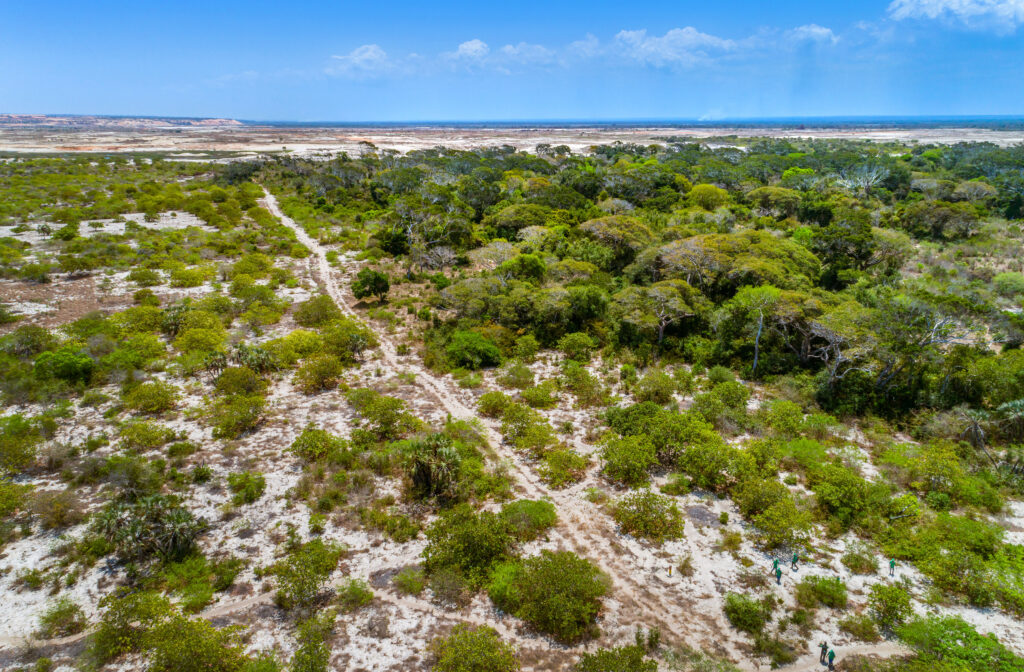
The Moma Mine is situated within Mozambique’s 735C concession, which partially overlaps with the Primeiras e Segundas Islands Protected Area (PSEPA), an area rich in biological diversity. PSEPA was designated an Environmental Protection Area in 2012, with the aim of preserving the physical and environmental integrity of the habitat in the coastal and marine areas.
Based on the assessment of priority species and ecosystems, in line with national legislation and international guidelines, a diverse range of ecosystems were identified within the Moma Mine’s concession including areas in and around the PSEPA: coastal forest, palm savannah, coastal dune thicket, Miombo woodland, wetlands, rivers and mangroves.
The Company and communities in the concession area rely on nature for many services such as water for mining and drinking, healthy forests, wetlands and mangroves to protect against storms and droughts, and dune stability to prevent erosion. Communities depend on these ecosystems for farming, building materials, food, medicine, and water.
Kenmare’s efforts aim to manage and where possible improve these resources with the aim to work closely with communities to ensure their needs are met now and after mining. These integrated efforts are included in the operational avoidance and mitigation measures, rehabilitation plans and the Company’s Biodiversity Offset Management Plan (BOMP). The BOMP guides the Company’s efforts to protect wildlife and restore habitats, and is compiled in line with Mozambican regulations under the Biodiversity Offset Diploma, which requires all projects within categories A and A+ to achieve No Net Loss at minimum or preferably 15% Net Gain offset based on the total residual impacts over the life of mine. The plan is based on scientific studies and includes the contribution of post mined land rehabilitation and aims at ensuring offset permanence by creating new protected areas.
Actions include setting up buffer zones, protecting important habitats, propagating native species, restoring disturbed areas, and helping communities find alternative ways to earn a living. The Company involves the affected communities in decision-making through regular consultations and feedback. Read more about Kenmare’s management of biodiversity matters as part of the 2025 Annual Report and the 2025 Sustainability Factbook.
Case Study: Icuria Forest Regeneration
Kenmare’s original Environmental and Social Impact studies helped identify Icuria dunensis as a previously undiscovered endemic and endangered species. Kenmare’s concession holds a small proportion of the remaining Icuria dunensis in this region and the Company is committed to supporting its regeneration.
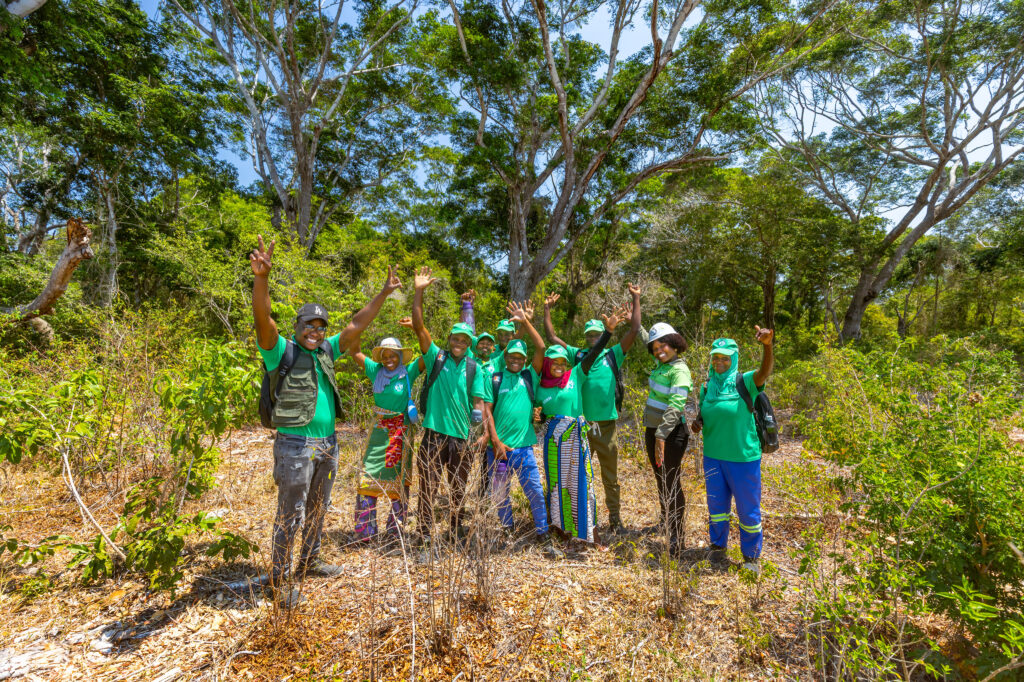
A 230 Hectare patch of forest home to Icuria trees has seen significant degradation through illegal logging in recent years. The Company has worked in close partnership with Área de Protecção Ambiental das Ilhas Primeiras e Segundas (APAIPS), a conservation area managed under the Administração Nacional das Áreas de Conservação (ANAC), along with local communities, to have the forest recognised as a protected area in APAIPS’ Integrated Management Plan and to arrest illegal logging practices.
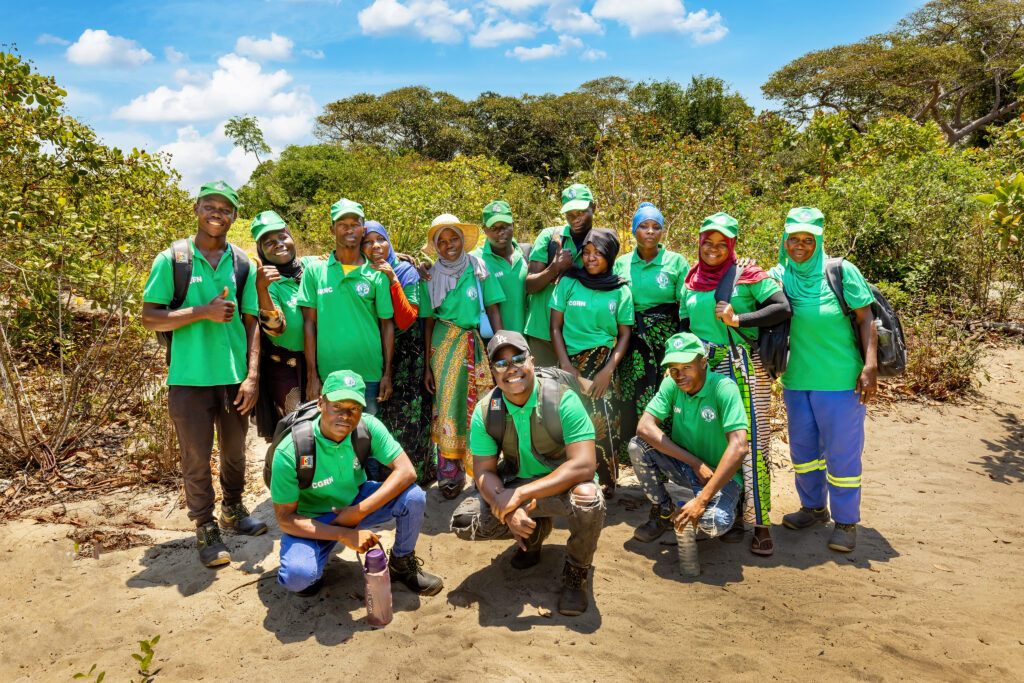
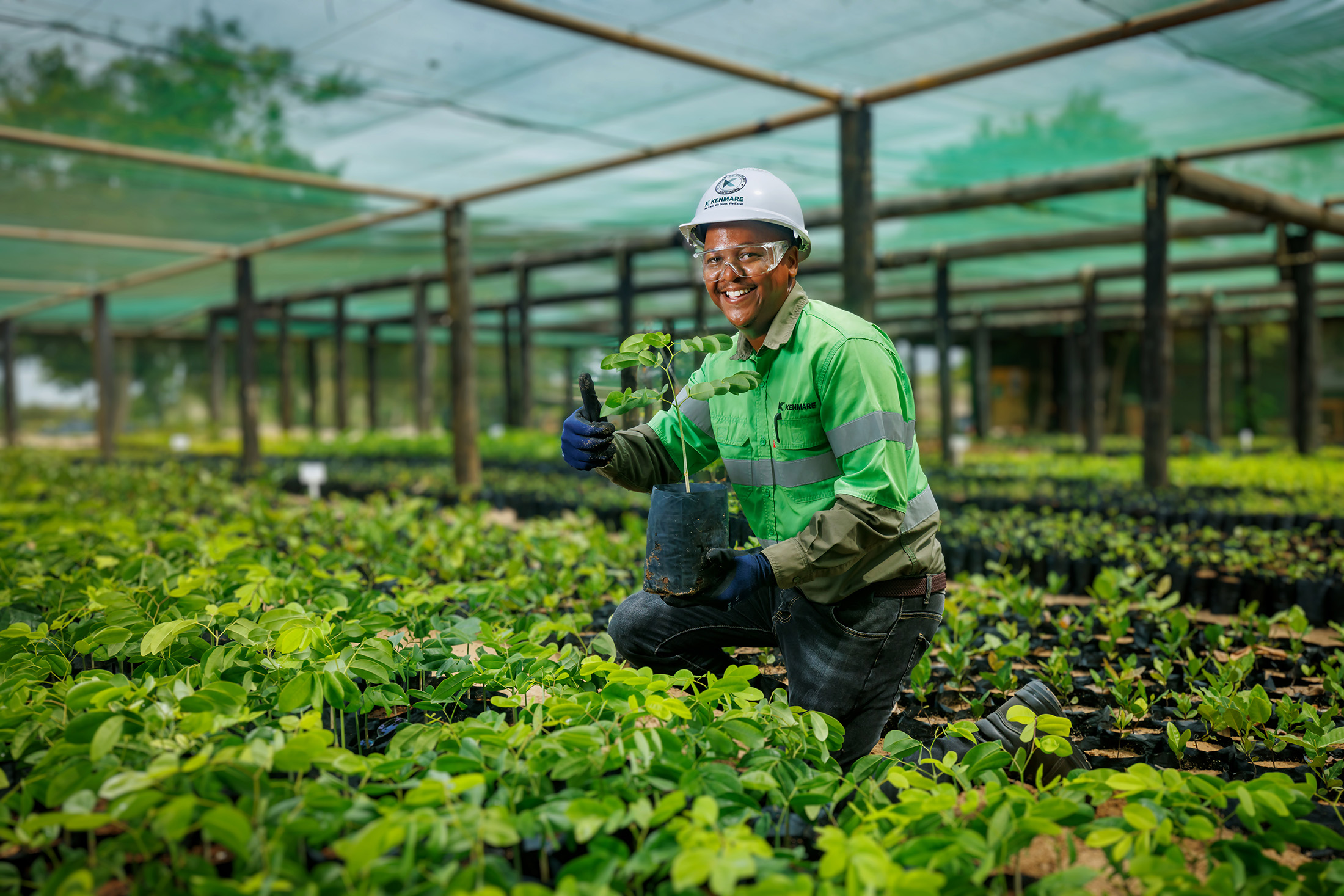
As part of this collaboration, Kenmare is supporting the training and employment of 30 community-rangers from surrounding communities to patrol the forest for illegal loggers, as well as community nurseries that supply seedlings for rehabilitation efforts. Communities are still able to collect fallen wood for firewood and alternative woodlots are being investigated to be planted. Replanting of the Icuria and other indigenous species found in the forest using community nurseries have proven successful, with 6,840 seedlings representing 11 native species planted in 2025.