About us
Find out more about Kenmare Resources plc.
At a glance
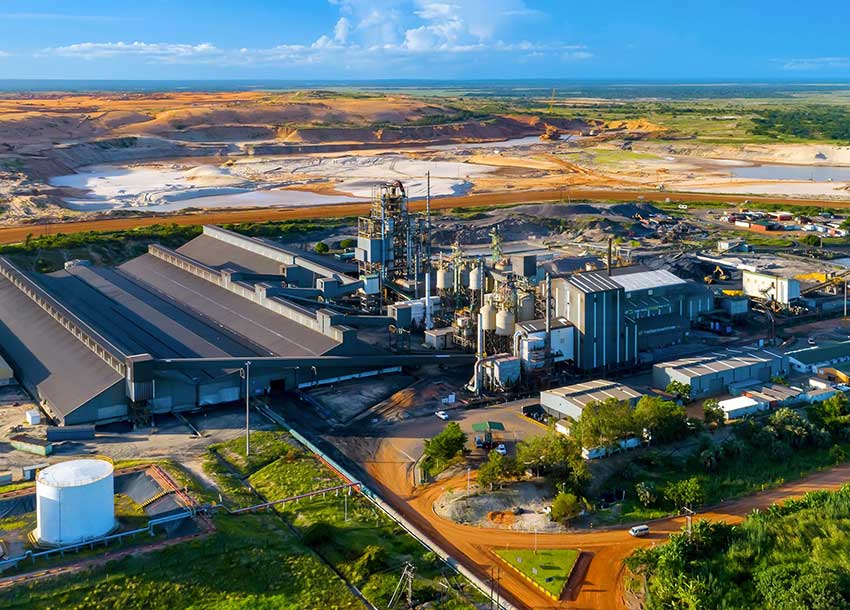
Kenmare Resources plc is an established mining company, operating the Moma Titanium Minerals Mine on the north east coast of Mozambique.
Strategic objectives
Kenmare’s business model aims to deliver our strategic objectives of growth and optimisation while maintaining a robust balance sheet.
Our people
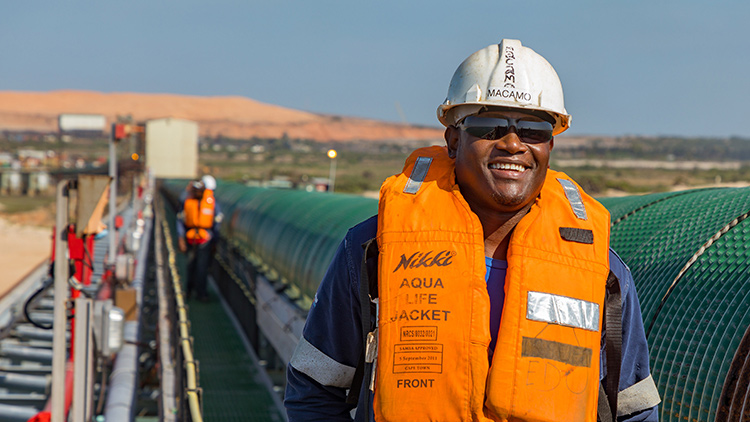
Our people are Kenmare's most important asset
Board of Directors
Find out about Kenmare's diverse and independent Board
Management team
Find out about Kenmare's strong and experienced leadership team
Corporate governance
Kenmare’s values of safety, integrity, partnership and excellence are integral to the way the Board operates.
Nomination Committee
The Nomination Committee considers Board composition and succession planning
Audit & Risk Committee
The Audit & Risk Committee monitors the integrity of the Company's financial statements and its risk management
Remuneration Committee
The Remuneration Committee sets practices
Sustainability Committee
The Sustainability Committee oversees our commitment to being a responsible corporate citizen
Risk management
An overview of our risk management framework including financial, operational and compliance controls
Extractive Industries Transparency Initiative
Kenmare expressly subscribes to the principles of the EITI
Policies
Our corporate policies outline our approach to responsible business practices
History
Kenmare began operating in Mozambique in 1987. Learn more about our history
Business model
Kenmare’s business model aims to deliver our strategic objectives of growth, margin expansion and shareholder returns.
Our business
Kenmare operates the Moma Titanium Minerals Mine in Mozambique. Find out more about our business
Reserves and resources
Kenmare has sufficient Mineral Reserves for >100 years of production
Sales and marketing
Kenmare produces 7% of the world’s titanium feedstocks
Our products
Kenmare is one of the world’s largest producers of mineral sands products
Titanium feedstocks
Find out more about titanium feedstocks
Zircon
Find out more about zircon
End markets
Find out more about the uses for our products
Investors
Find out more about Kenmare's investment case
Key Performance Indicators
Kenmare uses various financial and non-financial performance measures to help evaluate the ongoing performance of the business.
Financing
Debt financing is provided to Kenmare by a lender group
Reports and presentations
View the archive of annual/interim reports and presentations from Kenmare Resources plc (LSE: KMR)
Share price information
View Kenmare's current share price and historical share price information
Regulatory news
Read our regulatory news releases
Email alerts
Sign up for email news alerts from Kenmare
Shareholder information
Find important shareholder information, including details of Kenmare's Annual General Meetings, capital structure and major shareholders
Advisers and registrars
View our key advisers and registrar
Meetings and voting
Information regarding meetings and voting for Kenmare’s shareholders
Major shareholders
Kenmare has six shareholders who own more than 3% of the Company’s ordinary shares
Circulars
Information on circulars for Kenmare shareholders
Dividends
Read about Kenmare's latest dividend, our dividend policy and Dividend Witholding Tax.
Odd-lot Offer
Information regarding Kenmare's Odd-lot Offer, which was launched on 24 September 2022.
Shareholder fraud
An important warning about fraud for Kenmare shareholders
FAQs
View our frequently asked questions about shareholdings in Kenmare
Dematerialisation of Irish securities
Read more about the important change for Irish securities taking place in January 2025.
Financial calendar
Find out the key dates in Kenmare's financial calendar
Analyst coverage
Find out which analysts have Kenmare under coverage
WCP B move update
Find out more about our progress
IR contact
Get in touch with our Investor Relations team
Sustainability
Kenmare is committed to operating in a sustainable and responsible manner
Health and safety
Safety is one of Kenmare's core values and it is our top priority
Environment
Kenmare is committed to operating in an environmentally responsible manner
Community engagement
Find out about KMAD's community initiatives
KMAD
KMAD aims to be a catalyst for positive change in our host communities
KMAD community initiatives
Find out about some of the community projects KMAD has supported to date
Land management
Find out about our land management strategy
Water stewardship
Water is an essential resource for our operations and we recognise our responsibility to effectively manage it
Tailings management
Kenmare’s TSFs are regulated, permitted and have been managed for many years to comply with local laws, licences, and other requirements
Local procurement
The goal of Kenmare's Local Procurement Strategy is to ensure socio-economic upliftment of the communities in which we operate
Media
Learn more about Kenmare and access our media libraries
Image library
View Kenmare’s image gallery
Video library
Watch videos and interviews about Kenmare
Media contacts
View our media contact information
Careers
Find out about joining the Kenmare team
Contact
View our contact information and get in touch
We produce 7% of global titanium feedstocks, essential for the production of paints, pigments and plastics.
The raw materials we produce are ubiquitous in modern life and found in a wide range of everyday products.
Kenmare mined 38.5 million tonnes of ore in 2023 to produce >1 million tonnes of final products.
Kenmare founded KMAD, an independent not-for-profit organisation, which supports the development of local communities.
Kenmare hosted a webcast for its 2023 Preliminary Results on 20 March 2024. Click the link below to listen to the playback.
Click the link below to access the documents relating to Kenmare's Annual General Meeting on 10 May 2024.
See all
View ISE share price data
View total share price
Sign up to our email alerts Subscribe
Kenmare operates the Moma Titanium Minerals Mine, located on the north east coast of Mozambique